In Canada, welding is a highly regulated trade where precision and safety are paramount. Whether you are hiring a mobile welding service for a structural project or looking to understand the credentials of a fabrication shop, knowing the types of welding certifications is crucial.
Welding certifications in Canada ensure that technicians possess the specific skills required to deliver strong, safe, and code-compliant welds. Here is a breakdown of the most recognized welding certifications and licenses in Canada.
1. CWB Certification (Canadian Welding Bureau)
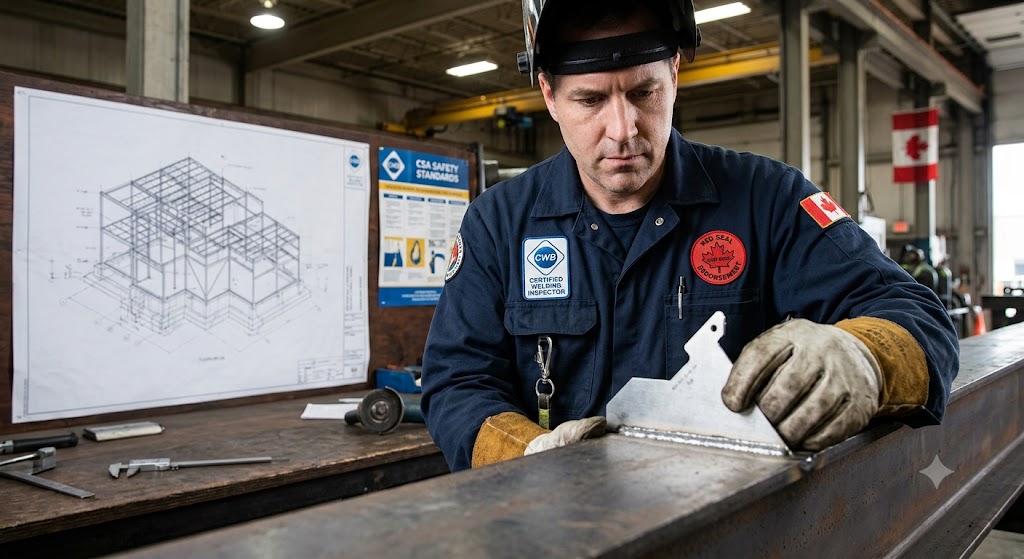
The Canadian Welding Bureau (CWB) administers the most critical certifications in the country, governed by the CSA W47.1 (for steel) and CSA W47.2 (for aluminum) standards.
CWB certification is unique because it certifies both the welder (the individual) and the company (the welding shop or mobile service).
- Welder Qualification (Tickets): Welders must pass practical tests for specific positions (Flat, Horizontal, Vertical, Overhead) and specific processes (MIG, TIG, Stick). These "tickets" must be renewed every 2 years to ensure the welder’s skills remain sharp.
- Why it matters: If a project involves structural steel, buildings, or bridges in Canada, the law typically requires the welding company and the individual welders to be CWB-certified.
2. Red Seal Endorsement (Journeyman Welder)
The Red Seal Program is Canada’s standard for excellence in skilled trades. While provincial licenses exist, a Red Seal endorsement represents the highest national standard.
- What it involves: To achieve a Red Seal, a welder must complete an apprenticeship program (usually involving thousands of hours of on-the-job training) and pass a rigorous nationwide written exam.
- Why it matters: A Red Seal Journeyman welder has a deep theoretical and practical understanding of metallurgy, blueprint reading, and advanced welding techniques. It proves the technician is a master of their trade across all Canadian provinces.
3. TSSA Certification (Technical Standards and Safety Authority)
For welding projects in Ontario, the TSSA regulates pressure vessels, pressure piping, and boilers under the ASME (American Society of Mechanical Engineers) code.
- What it involves: Welders must pass specialized tests demonstrating they can create leak-proof, high-pressure welds that can withstand extreme stress.
- Why it matters: TSSA certification is mandatory for anyone working on oil and gas pipelines, pressure piping systems, industrial boilers, and chemical processing plants.
4. Provincial Welding Licenses (e.g., Skilled Trades Ontario)
Each province regulates trades within its borders. In Ontario, Skilled Trades Ontario manages the apprenticeship and compulsory/non-compulsory trade status. While welding is currently a non-compulsory trade in Ontario (meaning you don't legally need a provincial license to do basic welding), having provincial registration and credentials sets professional services apart from amateurs.
Why Choosing a Certified Welder Matters for Your Project
Hiring an uncertified welder might save money upfront, but it introduces massive risks to your project. Working with certified professionals guarantees:
- Structural Safety: Certified welds are proven to hold under specified weight and pressure limits.
- Legal Compliance: Avoid hefty fines and shutdowns by complying with Canadian building codes and OH&S regulations.
- Insurance Protection: Most commercial insurance policies in Canada will not cover damages caused by uncertified structural welding work.
At Welding Services, our team holds the necessary certifications to ensure your residential, commercial, or industrial project is completed to the highest Canadian standards.